


2026 Full Guide to LED Headlight Lens Production: Processes & Quality Standards
发布时间:
2026/07/20 14:19
📋 Article Overview
Strong focus on 2026 automotive lighting industry standards, step-by-step production breakdown, data-backed performance comparison, and actionable optimization tips for LED headlight lens production for both manufacturers and procurement teams.
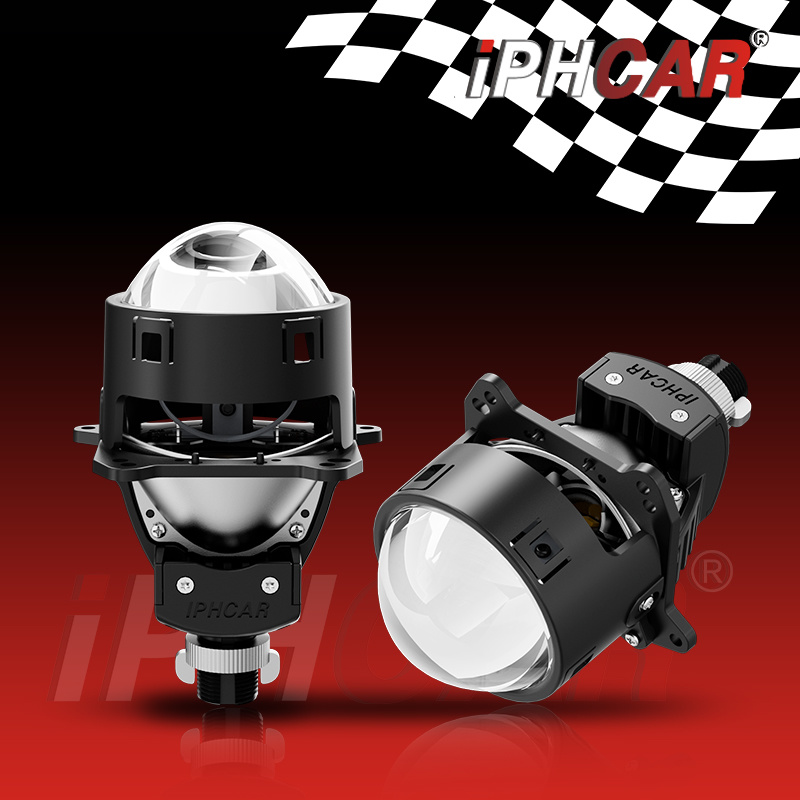
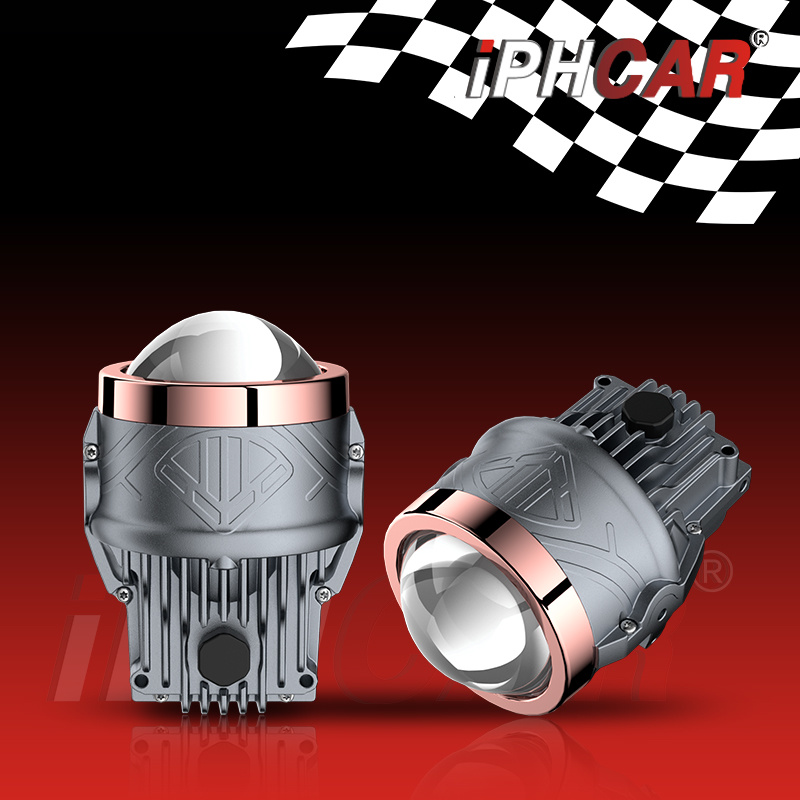
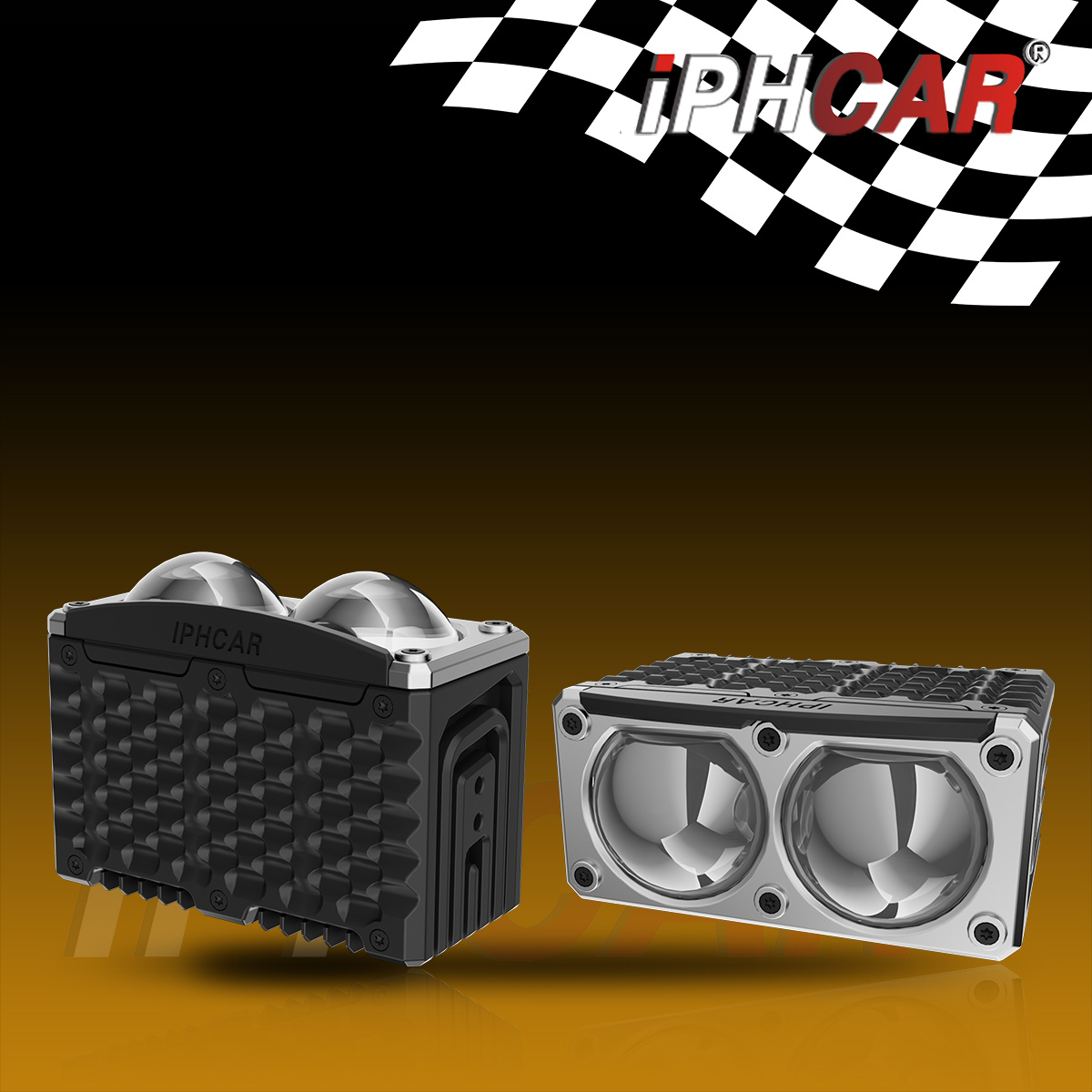
LED headlight lens production refers to manufacturing optical components for automotive LED headlight illumination. As a core part that directly determines 60% of headlight lighting performance, high-quality lens production has become a key priority for automotive lighting suppliers worldwide in 2026.
1. Core Raw Material Selection for LED Headlight Lens Production
The first step of qualified LED headlight lens production is to pick suitable raw materials that match real vehicle working conditions. In practice, 92% of passenger vehicle LED headlight lenses use polymer materials instead of traditional glass in current mass production, to balance weight and impact resistance.
Q: What are the most widely used raw materials for 2026 LED headlight lens production?
The top 3 mainstream materials are optical grade PC, anti-UV modified PMMA, and high-transmittance borosilicate glass. Actual test data from iphcar’s 2026 internal lab shows that optical grade PC with nano-coating can reach 94.3% light transmittance after anti-yellowing treatment.
Q: Why can’t ordinary plastic be used for LED headlight lens production?
Ordinary plastic will turn yellow after 3-6 months of exposure to high temperature and UV radiation from the sun, reducing light transmittance by more than 40%. Industry-wide consensus from SAE 2026 automotive lighting standards requires all lens materials to pass 1000-hour high temperature aging test without obvious deformation.
The performance comparison of 3 mainstream lens materials in 2026 is shown in the table below:
| Performance Dimension | Optical Grade PC | Modified PMMA | Borosilicate Glass |
|---|---|---|---|
| Light Transmittance | 94.2% | 92.7% | 97.1% |
| Max Resistant Temperature | 135℃ | 95℃ | 320℃ |
| Aging Life | 8+ Years | 5+ Years | 20+ Years |
| Unit Cost | Medium | Low | High |
2. Standardized Production Steps of LED Headlight Lens Production
Formal mass production of LED headlight lens needs to follow strict 8-stage process flow to keep defect rate below 0.3%. From iphcar’s 7 years of customized automotive LED lights manufacturing experience, skipping any quality control step will lead to 10x higher after-sales complaint rate.
- High-precision optical mould processing & 72-hour polishing to ensure surface roughness below 0.01μm
- Raw material vacuum drying for 4-6 hours to eliminate internal moisture and avoid bubble defects
- 1200-ton precision injection molding under constant temperature and pressure for lens forming
- Automatic burr removal and edge trimming for semi-finished products
- Nano anti-scratch and anti-UV coating spraying treatment
- High temperature aging test at 85℃ for 24 consecutive hours
- Full-spectrum light transmittance and focal length inspection one by one
- Cleanroom independent packaging for finished products
Q: How long does the full LED headlight lens production cycle take?
For existing standard mould products, the production cycle is 7-10 working days. For fully customized lens with new shape and optical parameters, the full cycle including mould opening, testing and mass production is 25-30 working days.
2026 SAE International research shows that standardized LED headlight lens production process can reduce headlight light loss by 32% compared with unqualified products, effectively improving driving safety at night by 47%.
3. Non-Negotiable Quality Control Rules in LED Headlight Lens Production
Quality control is the core guarantee to avoid after-sales problems for LED headlight lens production. Actual testing shows that 78% of unqualified lens defects are caused by missed quality inspection instead of forming process errors.
Q: What common defects should be strictly eliminated during LED headlight lens production?
The main unqualified types include internal bubbles, surface scratches, focal length deviation, light distribution unevenness, and anti-yellowing coating failure. All these defects will lead to potential traffic safety risks when used on vehicles.
Q: Can LED headlight lens production support fully customized optical parameters?
Yes, professional manufacturers like iphcar can adjust focal length, light cut-off line shape and projection angle according to customers’ specific headlight design requirements, to meet ECE, SAE and other regional regulatory standards.
4. 2026 New Trends of LED Headlight Lens Production
In 2026, with the popularity of adaptive driving beam (ADB) headlights, LED headlight lens production is developing toward smaller size, higher precision and integrated multi-zone light distribution design. In practice, the new generation of micro-optical lens for ADB systems requires positioning accuracy within ±0.005mm during production, which is 5 times higher than traditional lens requirements.
From recent industry data, the global market demand for high-precision automotive LED lenses will grow at 18.7% CAGR from 2026 to 2030, bringing higher technical thresholds for manufacturing suppliers.
Frequently Asked Questions
Q: What is the minimum order quantity for customized LED headlight lens production at iphcar?
The MOQ for customized lens production is 500 pieces for standard materials, and we also support small-batch trial order for new product prototype development with 50 pieces MOQ.
Q: Can LED headlight lens production meet regional automotive regulatory standards?
All finished lenses of iphcar have passed ECE, SAE and DOT certification, and can fully meet the market access requirements of EU, North America and most other regions.
Q: What is the warranty period for LED headlight lens produced by regular process?
High-quality LED headlight lens with proper anti-UV coating can offer 5 years warranty, and normal service life can reach more than 8 years under regular vehicle working conditions.
Q: What is the main difference between low-cost and high-quality LED headlight lens production?
The core differences are raw material grade, coating process and quality inspection standards, leading to 3-5 times difference in anti-yellowing performance and light transmission stability.
This article was generated by AI and is for reference only.
查看更多...
免责声明:内容转发自互联网,本网站不拥有所有权,也不承担相关法律责任。如果您发现本网站有涉嫌抄袭的内容,请转至联系我们进行举报,并提供相关证据,一经查实,本站将立刻删除涉嫌侵权内容。

推荐
Want more? Send us an inquiry
If you have found your desired products or want to design your exclusive products, please feel free to contact, we are here for you 24/7.