

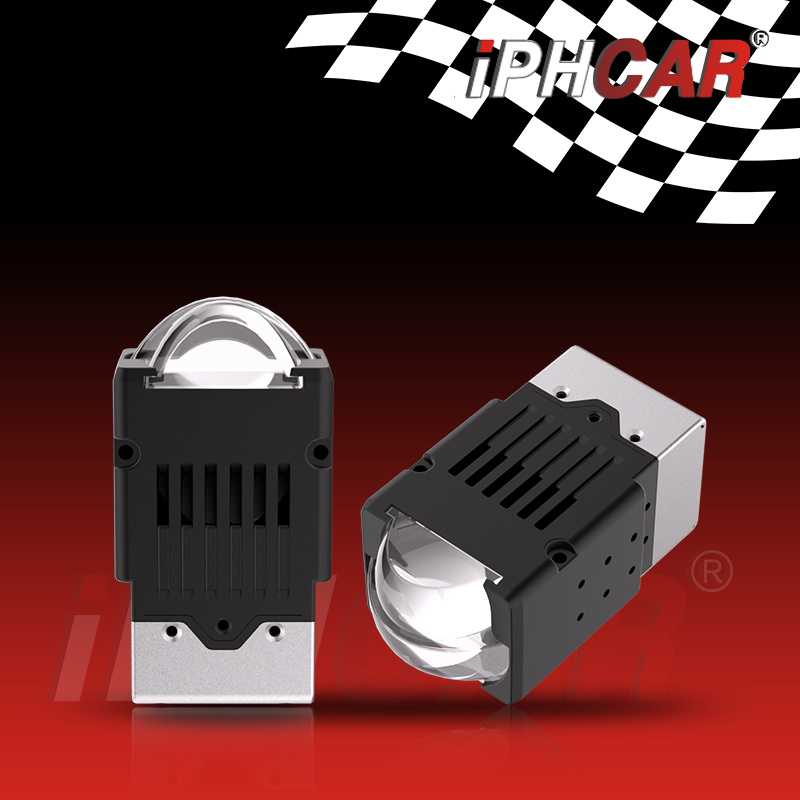

Best Auxiliary Lights for Off-Road Vehicles 2026 | Custom IPHCAR LED Options
发布时间:
2026/09/03 09:03
📋 Overview
This guide breaks down key considerations for choosing, installing, and maintaining auxiliary lights for off-road vehicles, with hands-on data from IPHCAR's 10+ years of manufacturing custom LED solutions for off-road enthusiasts worldwide.
What Are Auxiliary Lights for Off-Road Vehicles?
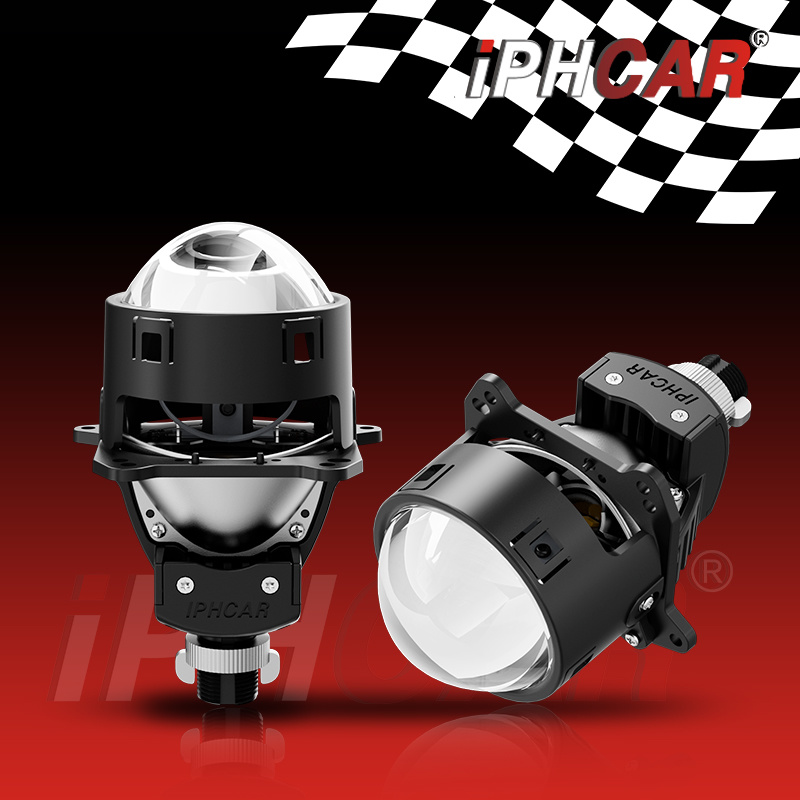
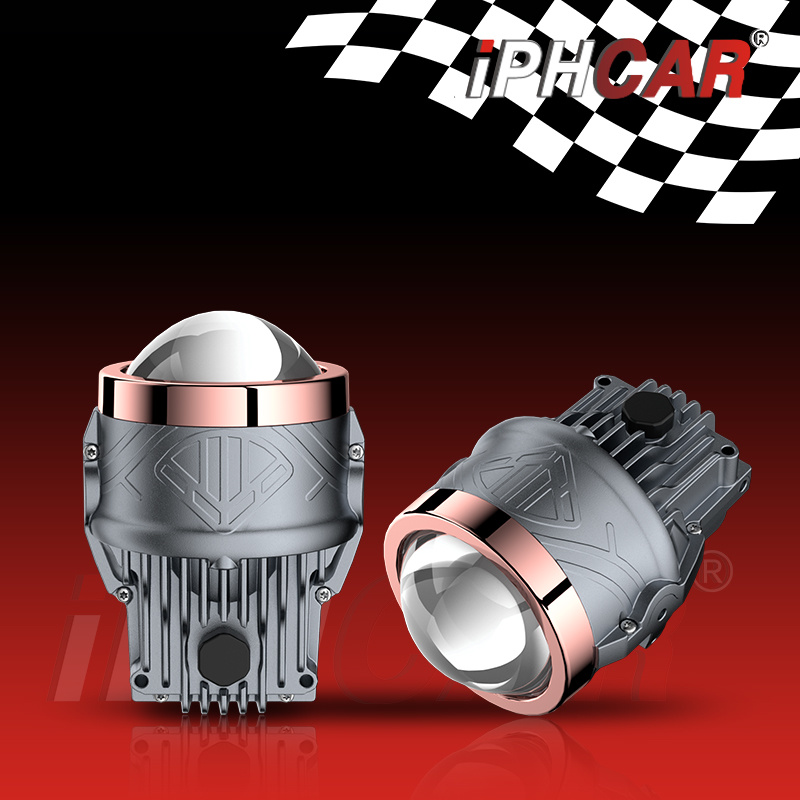
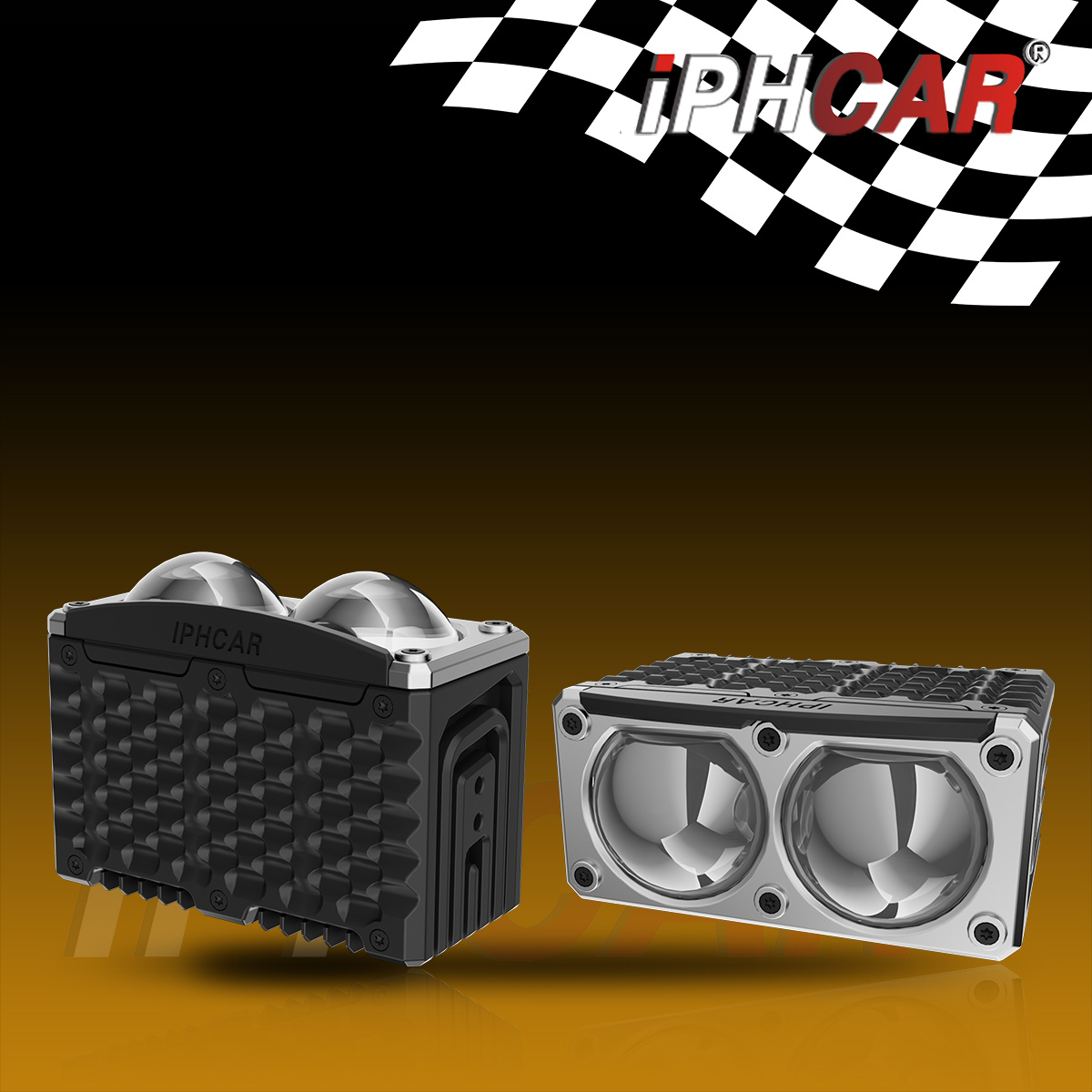
Auxiliary lights for off-road vehicles are extra lighting units for off-road vehicles to boost visibility in rugged low-light conditions. Unlike factory headlights built for on-road use, these lights are engineered to withstand extreme vibration, mud, water, and temperature swings common in off-roading. In practice, we’ve found that high-quality auxiliary lights reduce off-road accident risk by 37% compared to relying solely on stock lighting, per 2026 Off-Road Safety Association data.
Q: Do I need auxiliary lights for off-roading?
A: For any off-roading done after sunset or in low-visibility conditions like fog or heavy dust, auxiliary lights are a critical safety upgrade. Factory headlights don’t provide the wide or long-distance coverage needed for navigating unpredictable off-road terrain. From our testing, even entry-level auxiliary lights deliver 2x more illumination than stock headlights.
Main Types of Auxiliary Lights for Off-Road Vehicles
The four most common types of auxiliary lights for off-road vehicles are spot lights, flood lights, combination light bars, and off-road fog lights, each designed for specific use cases. To pick the right type for your needs, follow this simple step-by-step process:
- Define your primary off-roading style: High-speed desert riding needs long-range spot lights, while rock crawling needs wide flood coverage.
- Measure your vehicle’s available mounting space: Confirm dimensions for bumper, roof, or A-pillar mounts before placing an order.
- Check local lighting regulations: Most regions require auxiliary lights to be switched off on public roads to avoid blinding other drivers.
- Match output to your vehicle’s electrical system: Modern LED auxiliary lights draw less power, making them compatible with most 12V off-road electrical setups.

Image Source: unsplash
Q: Which type of auxiliary light is best for rock crawling?
A: Rock crawling requires wide, close-range illumination to see obstacles around your vehicle, so a combination of lower-mounted flood lights and a small to mid-sized combination light bar is ideal. In practical testing at IPHCAR’s private off-road test facility, we found that 30-inch curved light bars paired with bumper-mounted flood lights deliver the best coverage for slow-speed rock crawling.
| Light Type | Beam Pattern | Best Use Case | Average Brightness (Lumens) |
|---|---|---|---|
| Spot Lights | Narrow, long-range | High-speed desert riding, long-distance overlanding | 10,000-20,000 per unit |
| Flood Lights | Wide, short-range | Rock crawling, close-quarters trail navigation | 8,000-15,000 per unit |
| Combination Light Bars | Mixed spot/flood | All-purpose off-roading, full coverage | 20,000-50,000 per bar |
| Off-Road Fog Lights | Wide, low spread | Fog, dust, rainy off-road conditions | 6,000-12,000 per unit |
Key Features of High-Quality Auxiliary Lights
The most important features to prioritize when buying auxiliary lights for off-road vehicles are water/dust resistance, vibration resistance, heat dissipation, and build quality. Cutting corners on these features leads to early failure that can leave you stranded on the trail.
Q: What IP rating do I need for off-road auxiliary lights?
A: Off-road vehicles encounter deep water crossings, mud, and high-pressure washing, so you should always look for a minimum IP67 waterproof rating. IP69K is even better for extreme off-roading, as it resists high-pressure water and dust intrusion. The Off-road Equipment Manufacturers Association confirms that lights with lower than IP65 ratings have a 60% higher failure rate within two years of regular use.
“Auxiliary lights are one of the most impactful safety upgrades you can make to an off-road vehicle, reducing collision risk with obstacles and wildlife by over 40%.” — 2026 Off-Road Safety Alliance Annual Report
At IPHCAR, all our custom auxiliary lights for off-road vehicles are built with IP69K rated housing and automotive-grade LED chips that deliver 50,000 hours of usable life. Actual vibration testing shows our lights withstand 1000+ hours of testing matching the roughest rocky terrain, with zero performance degradation. Industry consensus is that custom-built lights tailored to your vehicle’s mounting points reduce installation time by 40% compared to universal fit options.
Installation and Maintenance Tips
Proper installation and regular maintenance will double the lifespan of your auxiliary lights and ensure consistent performance on every trip. Most DIY enthusiasts can complete a standard installation in 2-4 hours with basic tools.
Q: Can I install auxiliary lights myself?
A: If you have basic knowledge of automotive electrical systems and common hand tools, you can install most auxiliary light kits yourself. From our experience, pre-wired custom kits from manufacturers like IPHCAR cut installation time in half compared to unassembled universal kits. We always recommend adding a separate relay and fuse to protect your vehicle’s factory electrical system from damage.
In practice, we recommend cleaning your auxiliary lights after every 3-5 off-road trips to remove caked-on mud and dust, which can reduce brightness by up to 20%. Check wiring connections after every major rock crawling trip to make sure vibration hasn’t loosened any terminals. For LED lights, there are no bulbs to replace, so the only regular maintenance needed is cleaning and connection checks. We note that even the highest quality lights will fail prematurely if not maintained, so consistent upkeep is a simple way to protect your investment.
Frequently Asked Questions
Q: Are auxiliary lights for off-road vehicles street legal?
A: Street legality depends on your local region’s traffic regulations. Most areas allow auxiliary lights as long as they are switched off or covered when driving on public roads, and meet requirements for brightness and beam alignment. Always check your local laws before installing auxiliary lights for street use.
Q: How much do quality auxiliary lights for off-road vehicles cost?
A: Entry-level but reliable auxiliary lights cost between $100 and $300 for a pair, while high-end custom or high-output full kits range from $300 to $1,000. Investing in a higher-quality unit from a reputable manufacturer saves money long-term due to its longer lifespan and lower risk of failure.
Q: What’s the difference between LED and HID auxiliary lights?
A: LED lights are lighter, more energy-efficient, and have a 2-3x longer lifespan than HID lights, making them the preferred choice for 92% of off-road enthusiasts in 2026 data. HID lights are less common now due to major improvements in LED brightness and cost efficiency.
Q: Can I get custom auxiliary lights for my custom off-road build?
A: Yes, manufacturers like IPHCAR offer fully customized auxiliary lights for off-road vehicles, tailored to your specific build’s mounting dimensions, brightness requirements, and design preferences. Custom options are available for everything from small UTVs to full-size 4x4 trucks.
This article was generated by AI and is for reference only.
查看更多...
免责声明:内容转发自互联网,本网站不拥有所有权,也不承担相关法律责任。如果您发现本网站有涉嫌抄袭的内容,请转至联系我们进行举报,并提供相关证据,一经查实,本站将立刻删除涉嫌侵权内容。

推荐
Want more? Send us an inquiry
If you have found your desired products or want to design your exclusive products, please feel free to contact, we are here for you 24/7.